






Story
The heritage, craft, and conviction behind every JilbabCo garment

It began with a frustration that anyone who has walked through the souks and bazaars knows all too well.
You can have the money to buy top quality — that was never the problem. The real hardship is finding it, trusting it, and actually getting what you pay for. The souks are a maze of misdirection. You’re met with the runaround, steered toward products that aren’t moving, and sold pieces that don’t match the promise. Especially if you’re a tourist or a foreigner — what gets advertised and promoted is the cheap stuff. The good stuff? The gems? Those are kept for the locals, for the special customers.
A Marrakech native who spent the majority of his life in the USA, Mohamed still found it hard. In 2019, he went back with a single conviction: this had to change. He spent months in the medina — visiting workshops, testing fabrics, sitting with master tailors who had learned their craft from their fathers and grandfathers. Not to invent something new, but to find what already existed and build a bridge so everyone could access it.
We believe everyone deserves access to quality without the hardship. That’s our value. We do the hard work — the filtering, the vetting, the headaches of separating the genuine from the imitation — so you can rest at ease knowing that what arrives at your door is the real thing. What we’re doing is revolutionising the market.
“We didn’t invent anything new. We simply refused to let the good stuff stay hidden.”
— Mohamed T., Founder
Bringing the beauty of authentic Moroccan garments to the world — proving that Islamic attire, at its finest, is among the most beautiful clothing on earth. One garment at a time.
Authenticity
Made in Morocco. Traditional methods. No shortcuts.
Quality
Only fabrics and finishes that meet our standard.
Heritage
Preserving a textile tradition spanning over a millennium.
Every JilbabCo garment passes through the hands of artisans who have dedicated their lives to this work. Here is what goes into each piece.
Fabric Selection
Sourced from trusted Moroccan mills — cotton, wool, and brocade, every bolt inspected by hand.
Precision Cutting
Patterns refined over hundreds of iterations, calculated to move naturally with the body.
Hand Embroidery
Sfifa braiding and akaad knotwork by specialist artisans. A single caftan can take days.
Final Finishing
Every seam checked, pressed, and inspected before it leaves Marrakech or Fez.
To us, this isn’t just fashion — it’s culture, representation, and a way of life.
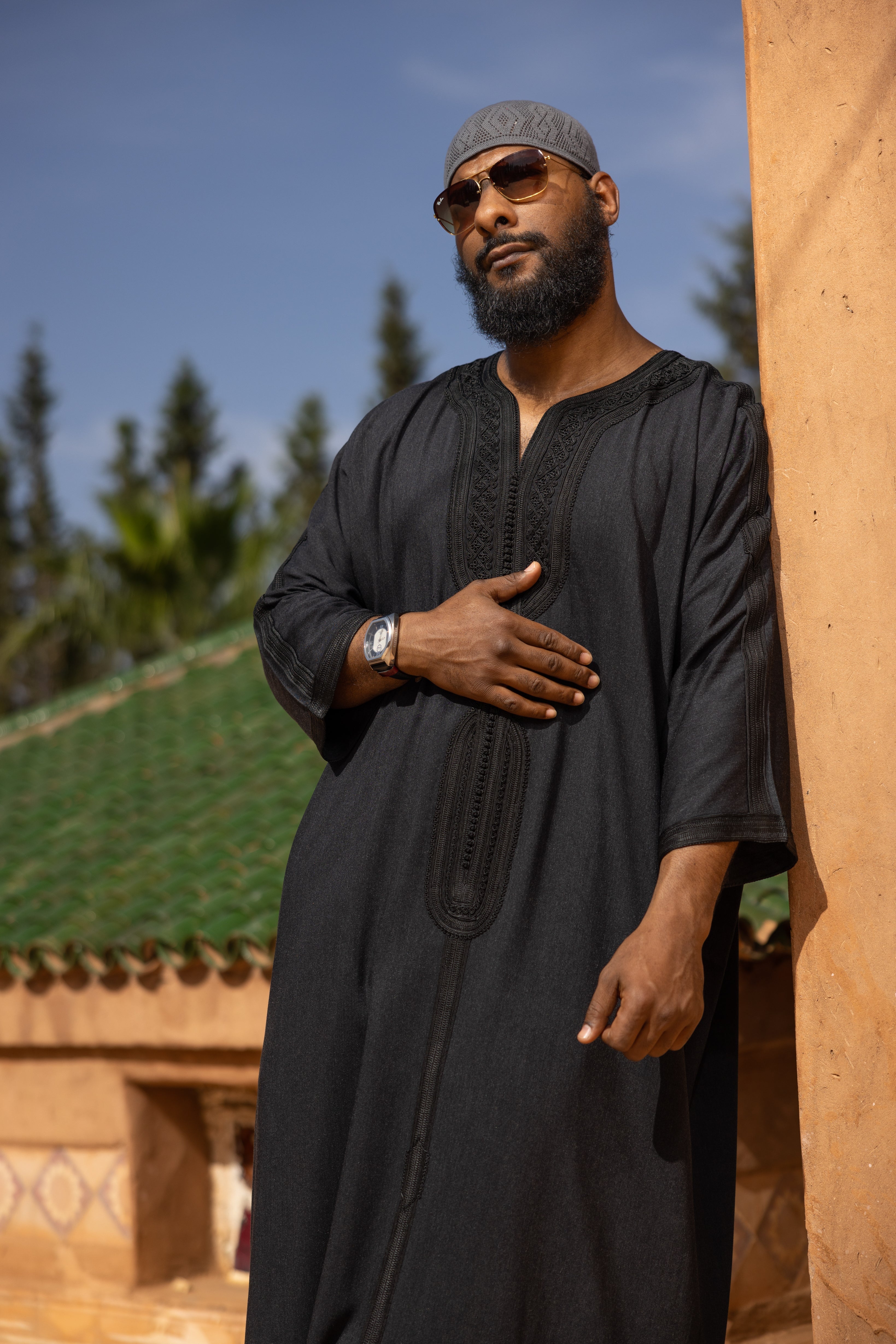
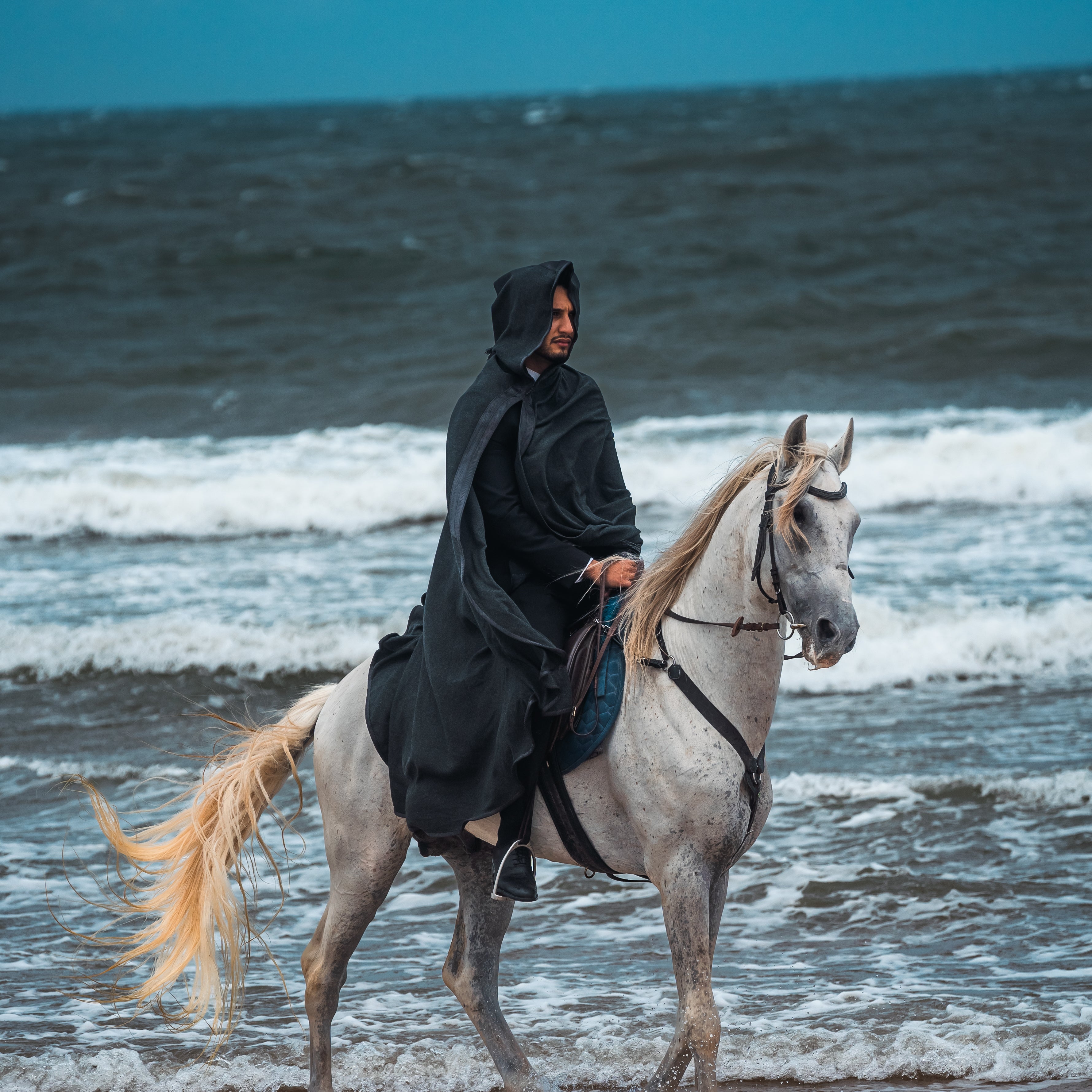
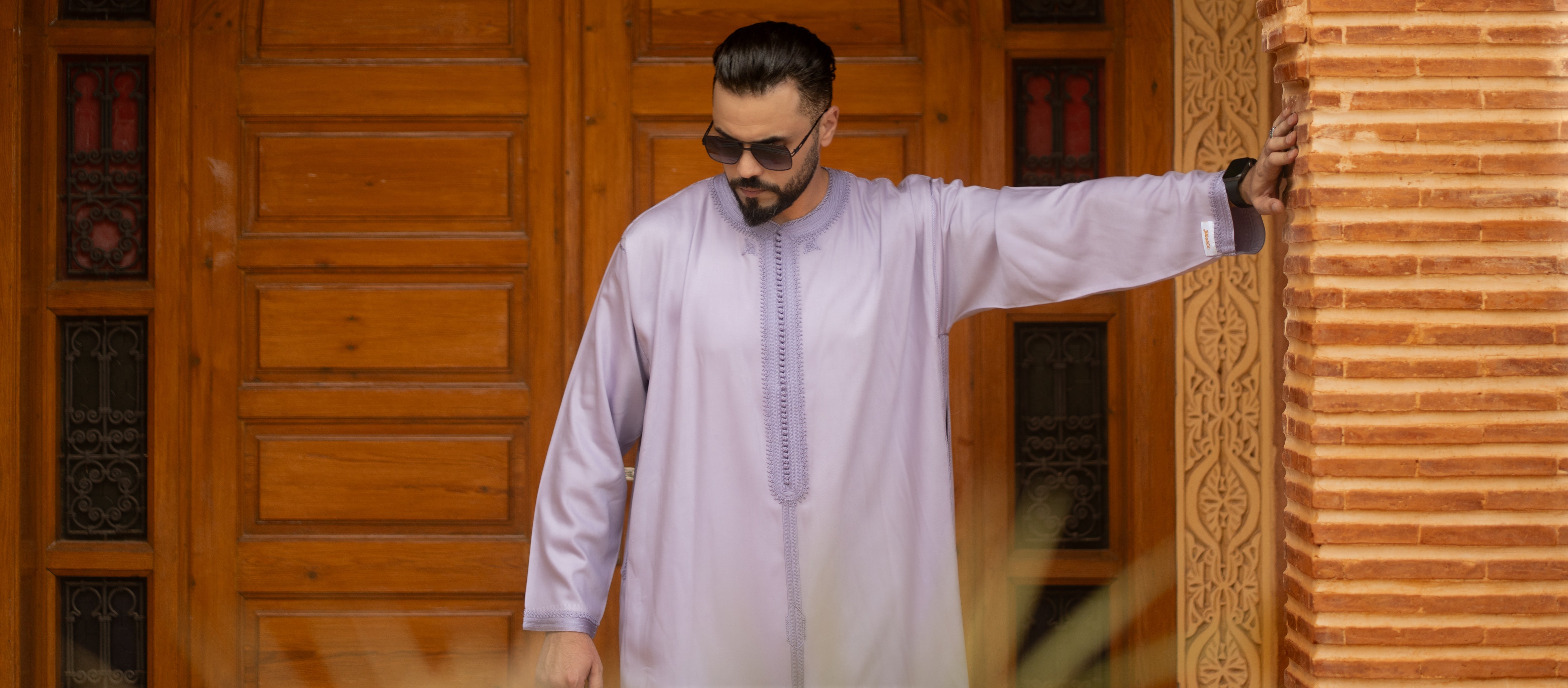
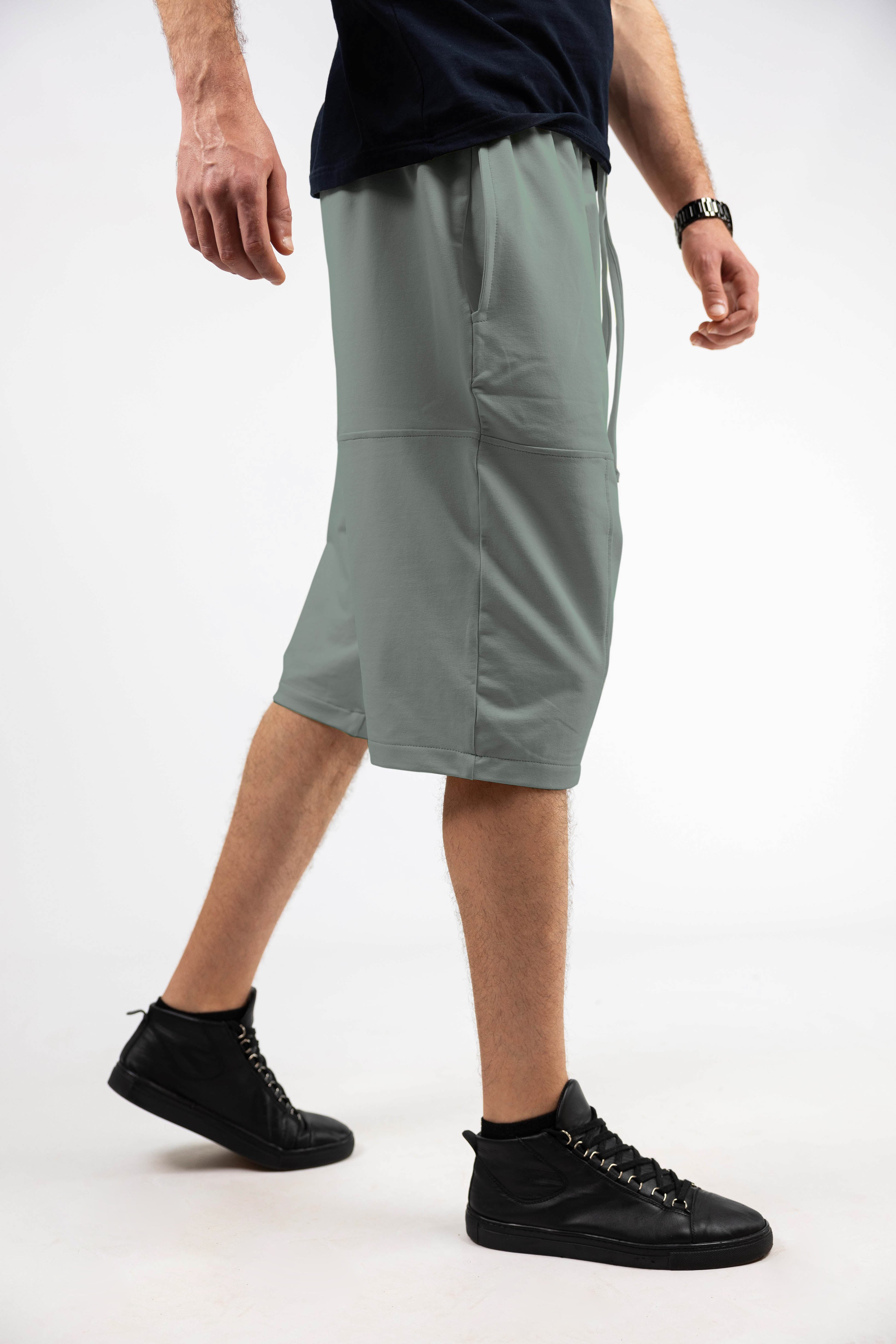
What started with a single djellaba has grown into a full collection spanning ten distinct garment styles — from the iconic Djellaba and flowing Gandora to the elegant Caftan, the regal Selham cape, the versatile Qobbiya, the Tonika shirt, the classic Serwal, the Short, the Reggabiya, and the handcrafted Belgha slipper. Every piece handmade in Marrakech.